Hypoallergenic Cats
and
The Cause and Symptoms of Cat Allergy
In the chapter on hypoallergenic cats we review cat breeds believed to have a low incidence of causing allergies in humans.
More importantly, we explain the cause of cat allergy, cat allergy symptoms and how you can reduce allergens that will assist you with living with cats.
hypo-allergenic cats
hairless cats
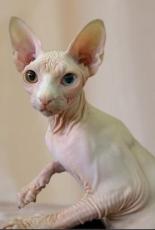 Sphynx Cat |
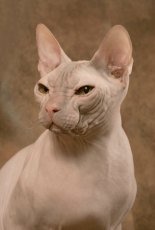 Don Sphynx Cat |
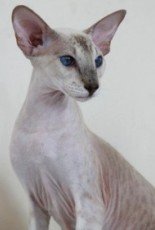 Peterbald Cat |
rex-coated and longhaired cats
 Devon Rex Cat |
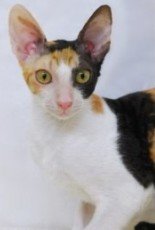 Cornish Rex Cat |
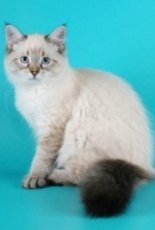 La Perm Cat |
Hairless
cats like the Canadian Sphynx, the Donskoy, Peterbald and Levkoy
all have fine downy hair and all produce dander, but to a lesser
extent than their short and longhaired counterparts.
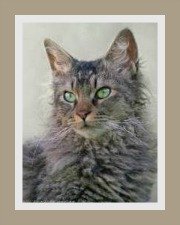
Rexed breeds like the Devon Rex, Cornish Rex and La Perm have short curly coats and are
also known to shed very little.
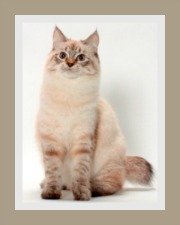
Some Siberian Cat breeders claim that this cat breed produces less Fel D-1 (explained below) than other cats.
Coupled to this they have a triple coat which is believed to
form a barrier between the skin and the hair thereby reducing allergic
reactions.
meaning of hypoallergenic?
Hypoallergenic cats - we take a look at the true meaning of hypo - allergenic.
Hypo is a prefix meaning low or less and most certainly not none.
Allergenic means the ability to cause an allergy.
Therefore the term implies that the cat still produces allergens (a substance that causes allergies) but that the tendency to produce allergic reactions may be reduced.
It is believed that the absence of fur or certain fur types may cause fewer allergies amongst allergy sufferers. So, let's explore this.
what causes cat allergy?
The allergen that causes the allergic response is called Fel D-1 (derived from the Latin 'Felis' and 'domestica').
Fel D-1 is a glyco-protein which is produced by the sebaceous glands (or fat glands) in the skin of the cat.
The protein is also present in the salivary glands and therefore in the saliva of the cat.
The protein has a sticky consistency which means it adheres to anything it comes into contact with.
Note:It was originally believed that cat fur or rather cat hair was responsible for causing allergic reactions in humans. Indirectly, this is true.
When the cat grooms itself, it uses its tongue and saliva thereby transferring the sticky glyco-protein Fel D-1 onto the hair and the skin of the cat. As the cat sheds, hair is left on furniture, bedding and clothing.
Allergy sufferers who inhale or come into contact with the hair will suffer allergic reactions of varying degrees.
The major contributor to allergic reactions in cats is in fact dander.
Dander is dandruff-like dead skin flakes, which are microscopic and become airborne when the cat scratches or shakes itself.
Dander is also left on clothing, furnishing and carpets.
These microscopic particles (dander) contain Fel D-1 which causes skin reactions (red skin, hives or eczema) and respiratory allergic reactions (allergic rhinitis, asthma).
Update July 2013: Cambridge University
New
research reveals how cat dander triggers allergic responses
do hypoallergenic cats exist?
Well, as all cats have oil-producing sebaceous glands and all cats have saliva-producing salivary glands we can deduce that all cats, irrespective of coat length or even a complete absence of fur will produce an allergic reaction in susceptible humans!
The real question is to what degree?
This will vary from person-to-person; the level of dander present in the environment and the amount of hair and dander that the cat sheds!
reduce allergens | live with Cats
Many people suffer from allergies to cats. Some allergies are so mild that it allows the allergy sufferer to own a cat.
The degree of allergic
reaction varies from person-to-person and some people report that the
severity of their cat allergy seems to decline the longer they are
exposed to cats.
We
have a family member who is highly allergic to cats, but never reacts
to our Persian cat (not a hypoallergenic cat) -
how to explain this we don't know!
allergy sufferers can reduce allergens:
- Allergy sufferers need to be tested prior to adopting a cat. (Shelters are crowded with cats and kittens due to owners been unable to cope with their allergies).
- We suggest multiple visits to the cattery. Very often people do not react immediately and several contact visits may be needed.
- Allergy
suffers need to establish the exact cause of the allergies, often cats
are not the culprit.
- Get tested and treated. Human immunotherapy is available to allergy sufferers. Over the counter medication like antihistamines treat the symptoms.
- A vaccine is currently being developed for cat allergy sufferers. This may signal the end of the sought after hypoallergenic cat and provide cat lovers the opportunity to choose a cat breed of their choice!
- In order to reduce and control shedding the cat should be brushed daily and bathed at least weekly. Start this at kittenhood to get your cat accustomed to this.
- Premium diets and the inclusion of Omega 3 (essential fatty acids) in the food may also minimize the production of dander (dry skin).
- Special allergy reducing cat wipes are available at veterinary clinics and if used regularly may reduce cat allergies.
- Male and female cats should be neutered.
- Ensure that your cat is tick and flea free. This reduces the amount of scratching and shaking thereby decreasing hair and dander distribution.
- Cats should have limited access to beds and bedrooms.
- Cat owners should, where possible wear cotton clothing that attracts less hair and dander and clothing should be laundered after handling cats.
- The home needs to be clean and well ventilated. Vacuum floors, carpets and furnishings daily. Vacuum cleaners with HEPA filters are recommended.
- Damp dusting is preferable to dry dusting as it reduces the spread of allergy-producing microscopic dander and dust particles.
- Provide
and escape-proof, outdoor adventure zone for your cat that limits their
time indoors and avoid keeping your cat confined to one room.
If
you suffer from cat allergies and asthma and cats are a must in your
life, then do consider an asthma natural remedy from Home Remedies
Haven.
symptoms of cat allergy
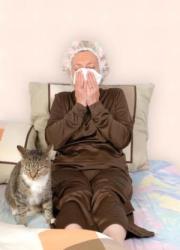
You do not have a Hypoallergenic Cat Breed....
If
you experience some or all of these signs and symptoms after contact
or exposure to your cat, it may indicate that you have a cat allergy:
Sneezing, Watery red eyes,
Itchy eyes and nose, Nasal congestion, Coughing, Wheezing, Tightening of the chest, Asthma attack, Sore throat, Rash,
Itching,
Dermatitis, Eczema, Swelling of hands and feet
Top of Hypoallergenic Cats Page
Return of Different Cat Breeds
search our site
please like us
share our site
recommend on google
rare cats