Cat Treats
Not a Meal Replacement
Cat Treats should be just that - a treat.
Human or animal, we all enjoy an occasional treat. Our feline friends are no different and as responsible pet owners we need to ensure that we limit the consumption of treats.
An occasional treat will do no harm, but treats should never replace or substitute a well balanced diet.
when to treat your cat
A treat can be given in certain circumstances:
- A treat may assist with the administration of medicine i.e. to conceal the tablet.
- Some treats have a dual function. They aid in the treatment and prevention of dental plaque and tartar whilst others assist as a hairball remedy.
- Treats are a perfect reward during clicker training.
- During grooming or after a bath
- A convalescent cat may need to be enticed to eat and a cat treat may assist in encouraging the cat to eat.
Cat treats are not expected to deliver a cats daily nutritional requirements and as such should not be used as a meal replacement.
They should however contain good quality ingredients.
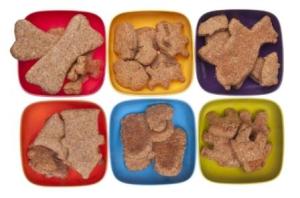
avoid these 'cat treats'
A cat's digestive system is not designed for a diet rich in carbohydrates and plant matter. Their digestive juices and enzymes were created to assist in breaking down meat and bones.
Naturally food intended for
human consumption is not suited for cats.
dairy products
We have all grown up believing that cats love cow's milk.
The truth is that many cats have lactose intolerance. They lack the enzyme lactase that assists with the digestion of cow's milk and this results in diarrhea.
Interestingly, kittens do have this enzyme and can be given cow's milk in limited amounts.
Yogurt in small amounts is allowed as it
assists with the maintenance of intestinal flora. Cheese on the other
hand is not tolerated.
chocolate
Cats cannot taste sweetness. Apart from this, chocolate contains theobromine which is a compound which cats (and dogs) are unable to metabolize.
The ingestion of chocolate may cause nausea, vomiting and in severe cases it stimulates the central nervous system, increases heart rate and may result in seizures (fits) and death.
The more pure a chocolate is the more dangerous it is likely to
be.
canned human tuna
This is a favorite treat of many cat owners.
Canned human tuna if given as an occasional treat is not considered harmful. It should never be a substitute for a well balanced diet.
Canned tuna is high in salt and has
a high mercury content which can result in poisoning.
table scraps
Table scraps and fat trimmings have little or no nutritional value to cats.
Excessive intake of fatty foods like fat trimmings can cause pancreatitis.
fish, poultry and meat bones
Whole bones should not be given to cats as they may cause gastric
obstruction or could pierce the digestive tract.
raw fish, meat and poultry
Raw food
may be contaminated with E.Coli and Salmonella which will cause severe
gastrointestinal side effects i.e. nausea, vomiting and diarrhea.
Raw egg whites contain avidin, a protein which binds with biotin (Vit B7) and decreases the absorption of this vitamin resulting in hair loss, skeletal deformity and growth retardation.
Raw fish lacks
sufficient thiamine (Vit B1). A deficiency of this water soluble vitamin
will result in cardiovascular and peripheral nervous system conditions.
dog food
Commercial dog foods have been specifically formulated for canine nutrition.
Canine food has insufficient proteins and taurine, the later being an essential amino acids which cats produce in insufficient amounts.
Canine
food is not nutritionally balanced for cats and feeding your cat dog
food will result in life-threatening nutritional deficiencies.
grapes and raisins
There
is a compound in grapes (and raisins) which experts have yet to
identify. When ingested it causes kidney damage and renal failure in
cats.
garlic and onion
Feeding your cat a single meal containing garlic and onions will not have a detrimental effect, but long term use will.
Garlic and onion contain disulfides and sulfoxides which damage red blood cells. Red blood cells carry hemoglobin which is the oxygen carrying component of blood.
It stands to reason that reduced red blood
cells and reduced oxygen to organs will result in severe health
problems and possibly even death.
green tomato, potato & egg plant
Green tomatoes (or unripe tomatoes), raw potatoes and eggplant contain a toxic alkaloid called solanine.
Solanine is thought to affect the
mitochondria of cells. Ingestion of these 'foods' (and solanine) causes
gastrointestinal (nausea, vomiting, diarrhea) and neurological side
effects and eventually organ failure and death.
alcohol and caffeine
It
stands to reason that all products and foods containing caffeine (e.g.
coffee) and alcohol should not be fed to cats.
general
There are many more so-called 'cat food treats' that are not suitable for cats.
Our list covers the most common 'treats'. Some are unlikely to
cause a problem if a single meal or dose is given, whilst others will
result in immediate ill health.
commercial cat treats
There are a plethora of commercial feline treats out there. Our listing of the brands below in no way implies that we endorse or recommend any of these products.
Shoppers are advised to read the product labels, review the ingredients and to evaluate the claims of all commercial cat foods and cat treats and make an informed decision.
Commercial Treats: Greenies, Pounce, Beefeaters Freeze Dried Natural Treats, Whiskas Temptations, Friskies Party Mix Treats
homemade cat treats
Homemade treats are certainly a healthy alternative to commercial cat treats, but probably not as convenient.
As treats will not replace a cats normal well balanced diet and will only be offered occasionally and in small bite-size morsels, there is no harm in rewarding your cat with any of the following homemade treats:
- Natural beef jerky - strips of beef that have been trimmed of fat, very lightly salted and allowed to sun dry.
- Baked de-boned chicken strips
- Baked de-boned, de-scaled and de-skinned fish fillets
- Natural yogurt 1 - 2 teaspoons
- Tinned tuna in brine (water) 1 - 2 teaspoons
Related Pages:
Top of Cat Treats Page
search our site
please like us
share our site
recommend on google
popular pages