Cat Nutrition
Healthy and Balanced Cat Food
To understand cat nutrition it's important to recognize that cats are obligate carnivores (an animal that gets its energy and nutrients from a diet of animal tissue).
This does not suggest they live on an all-meat diet. Cats need over 40 essential nutrients which they get from a well balanced diet.
cats in the wild
Wild cats and feral cats live off a diet of birds, mice, rats and other small herbivores (animals that derive energy and nutrients from plants).
When wild or feral cats consume herbivores, they eat the entrails (the intestines and stomach) which contains partly digested and digested plant matter.
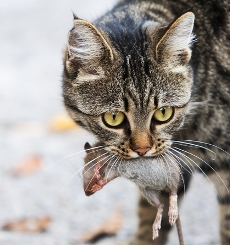
They also consume the flesh, muscle and tendons, the organs and the bones.
In doing so they receive all the necessary nutritional requirements for their diet.
Whilst the cat has been domesticated for 5000 thousand years, it would appear that their digestive tracts have not!
Cats are carnivores not vegetarians....and that's why good cat nutrition is crucial.
Broadly speaking a well balanced diet or nutritional cat food, should consist of proteins, carbohydrates (minimal), minerals, vitamins and water.
All these nutrients need to be in the right concentration and in adequate amounts.
Each of these components or nutrients has separate functions
which we will explore in more detail. Balanced and healthy cat food
should consist of:
essential nutrients
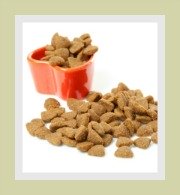
We urge you to check the ingredient labels on all packaged cat food. Check that the dry cat food or canned cat food contains high quality ingredients of animal origin.
1. proteins
Essentially a protein is a compound made up of a long chain of amino acids (about 22).
Proteins are by far the most important nutrient in a cat's diet and cats have a higher requirement for protein than dogs.
This is probably due to the cat's inability to control the speed at which the liver enzymes break down proteins.
If a cat does not receive sufficient
protein in their diet, their body will start breaking down proteins in
their muscles, having fatal results.
functions of proteins
|
sources of protein
|
|
enables the body to fight infection as they aid in the formation of antibodies needed for building, maintaining and repairing muscle tissue key in the structure of red blood cells assist in maintaining healthy skin and a glossy coat essential for the regulation of metabolism |
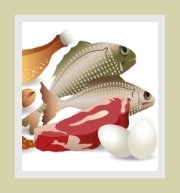
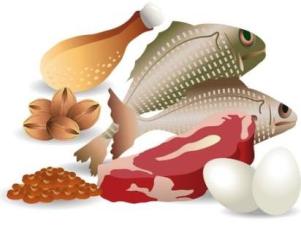
beef, fish, chicken, liver and eggs - good quality proteins tendons, connective tissue, heads, feet and feathers - poor quality proteins |
2. amino acids
Cats are able to synthesize (make) about 11 of the 22 amino acids.
The others cannot be synthesized by the body and need to be obtained from the diet.
Two essential amino acids that need to be provided in a cat's diet are taurine and arginine. Both should come from animal-based diets (not cereal)
functions of taurine
|
sources taurine
|
|
Taurine is essential for: healthy heart muscle reproduction growth and development bile production retinal development. Without this amino acid cats would experience retinal atrophy and blindness, reproductive disorders and cardiomyopathy |
Taurine is found in animal-based material. |
functions of arginine
If cats lack arginine they are unable to produce orthinine. Orthinine is necessary as it binds the ammonia formed from the breakdown of protein. This means that they are unable to convert ammonia to urea. This results in high levels of ammonia in the blood and can result in excessive salivation, vomiting, loss of muscle control (ataxia), spasms, coma and death. |
sources arginine
found in animal-based material plant and cereal based sources contain limited traces of taurine Cats are also unable to convert plant amino acids into the required amino acids needed for growth and development.
|
3. lipids or fats
Fats or lipids in cat food are essential to make the food more palatable and to give it texture.
Lipids are also made up of Essential Fatty Acids (EFA's) which can be saturated or unsaturated.
Linolenic Acid is the most important EFA.
It is converted to derived EFA's during metabolism. Cats have limited quantities of derived EFA's as they lack the capability to convert linolenic acid into derived EFA's and it must therefore come from the diet.
Linolenic Acid is found in vegetable oils, but cats require one called Arachidonic Acid which is only present in animal tissue.
Arachidonic acid is essential for a
healthy gastrointestinal tract, reproductive system, for blood clotting
and it controls skin growth.
functions of EFA
|
sources of EFA
|
|
essential, concentrated source of energy assist in carrying the fat soluble vitamins i.e. Vitamins A, D, E and K required for reproduction needed for healthy kidney function contribute to a healthy skin and coat
are neurotransmitter precursors |
poultry fat, fish oils and vegetable oils, but animal fats are preferred |
4. carbohydrates
Carbohydrates (sugars) are not an essential part of a cat nutrition even though it is an effective source of energy.
Carbohydrates are broken down during metabolism and release energy.
Carbohydrates may be beneficial to humans but are not essential for cats. Cats have the ability to make glucose from protein.
Adult cats find it difficult to digest lactose (sugar found in milk) as they do not produce the enzyme lactase to assist with the breakdown of lactose.
This causes lactose intolerance and gastrointestinal problems i.e. diarrhea.
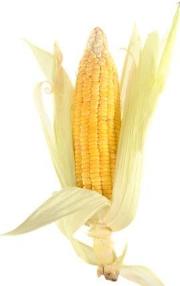
The indigestible polysaccharides that provide fiber, bulk or roughage also have limited benefits to cats except in special circumstances.
Excess fiber may in fact diminish the absorption of certain nutrients and cause diarrhea.
Insufficient fiber on the other hand may increase fecal bulk, slow the movement of fecal matter through the digestive tract and cause flatulence.
Increased (and controlled) amounts of fiber can be used in obese cats to assist in weight control as increased fiber reduces the calorie intake.
Note: Interestingly, cats are unable to taste sweetness.
There are 2 genes that control the ability to taste sweetness and in cats one of these genes is defective which effectively renders the sweet taste buds redundant.
Some experts believe that this is another reason why cats have no desire to eat plant matter. The sugar content in plants is what provides most of the flavor!
function of carbs
|
sources of carbs
|
|
provide energy provide fiber for a healthy digestive tract |
grains, corns, rice, vegetables and wheat |
5. vitamins & minerals
Vitamins and minerals are essential in cat nutrition, but in small quantities.
For in depth information on what cats require please visit our cat vitamin and mineral review.
6. water
Water is essential for life! Water is an essential element of cat nutrition.
Cats do not drink milk, they drink water. In the wild, cats get the vast majority of their fluids in their diet.
Cats that are fed dry cat foods need to consume water.
Fresh clean water
needs to be made available to your cat 24/7.
function of water
|
sources of water
|
|
regulates body temperature lessens the burden on the kidneys and liver by flushing out waste products carries nutrients and oxygen to cells helps to dissolve nutrients to make them accessible to the body assists in digestion and the metabolism of food |
fresh clean water needs to be made available to your cat 24/7. |
summary
Cat nutrition is highly scientific with the purpose of supplying nutrients for the maintenance and construction of the organism, for supplying energy and for the purpose of minimizing and preventing the risk of disease.
A cat that is fed a well balanced diet will have a shiny coat, bright eyes and be of ideal weight for their age, size and breed type.
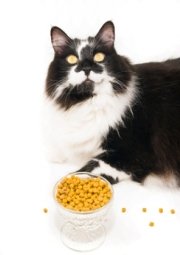
A cat that is not fed a well balanced diet will be overweight or underweight, have a dull coat and dry skin, dull eyes, bad breath and possibly even offensive smelling stools.
It should also be noted that each stage of a cat's life stage will demand different nutritional requirements.
Today cat lovers have a choice when it comes to cat nutrition. When choosing cat food, read the label and ensure that you are selecting the one most suitable for your cat's needs.
If you elect to go for a raw cat food diet or a homemade cat food diet we urge you to enlist the expert advice of a feline nutritionalist.
Cat nutrition is a science, you owe it to your cat to get it right! The best cat food is the one that your cat will thrive on.
To Top of cat nutrition page
Return to cat food
search our site
please like us
share our site
recommend on google
popular pages